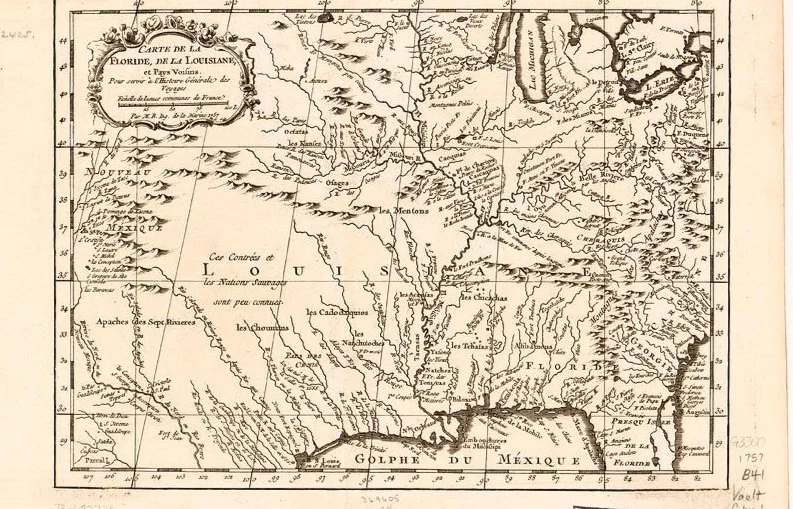
How Do You Say Colonialism in . . . ?
Bringing colonial history into the language classroom engages students in both history and language.
“World languages are sometimes just a footnote in the teaching of history. When I started teaching French, I thought the same about history. I occasionally peppered my lessons with the historical ties between France and the Francophone world. Most textbooks identify these different regions but gloss over the main reason why French is spoken there: colonialism. I spent some time trying to figure out how to engage students with this historical aspect of language learning. I found it best to bring colonial history directly into the classroom.”
I am happy to share with the American Historical Association what I’ve learned from teaching about colonialism in French class: How Do You Say Colonialism in …?

Assessing French language on paper or computer
Is paper or computer better for assessing L2 students’ writing? This article shares observations from several French classes at an American high school in which assessments that were otherwise identical were offered to students on both paper and computer.
My article, “Exploring the Impact of Handwriting vs. Keyboarding on L2 Assessments: Biases, Integrity, Authenticity, and Literacies” shares observations from the French classroom.
Abstract
“Is paper or computer better for assessing L2 students’ writing? The ineluctable transition to technology might suggest this question has already been answered. However, the technology divide in L2 assessments may have indeed widened since the pandemic: whereas some teachers have fully embraced technology in assessments as in instruction, others are reluctant to eliminate paper, owing to concerns about the reliability, integrity and authenticity of L2 production on computer. This article shares observations from several French classes at an American high school in which assessments that were otherwise identical were offered to students on both paper and computer. These observations revealed several overlapping areas of L2 research that merit further consideration, including instructor bias between media, academic integrity of student work, and the need to align the technological literacies between instructors and students. The reflection that follows points to specific directions for further empirical research on the effects of input medium on L2 learners in K-12 and higher education.”